
Complete vision
integration
One engineering path from requirements and feasibility to hardware selection, programming, installation, and commissioning.
Our integration processVISION CONTROLS INC. / MACHINE VISION SPECIALISTS
Hundreds of successful machine vision projects.
Experience across industries. Engineering for your application. We take manufacturers and machine builders from sample-part testing through installation, commissioning, and support.
Complete integration · Troubleshooting · Upgrades
Specialist vision engineering.
Connected to the whole machine.
Optics & lighting
Vision programming
PLC & controls integration
Hands-on experience.
Application-driven selection.
The right platform
for your requirements.
EXPERIENCE THAT SHAPES THE SOLUTION
Our work goes beyond camera programming. We bring machine vision expertise and automation experience to the complete application.
HOW WE HELP
Whether you are starting from scratch or improving an existing installation, we begin with the inspection problem and work toward a practical solution.
One engineering path from requirements and feasibility to hardware selection, programming, installation, and commissioning.
Our integration processFind the cause of unreliable inspection. We evaluate optics, illumination, camera selection, software, and controls before recommending what to keep or replace.
Talk through the problemAddress obsolete equipment, changing parts, and new inspection requirements with a considered upgrade to your existing production environment.
Discuss an existing systemENGINEERING DEPTH
Quality starts with the image. We calculate camera resolution from the required inspection accuracy, then verify optics, illumination, field of view, exposure, and part presentation in our lab before proposing a solution.
INSPECTION
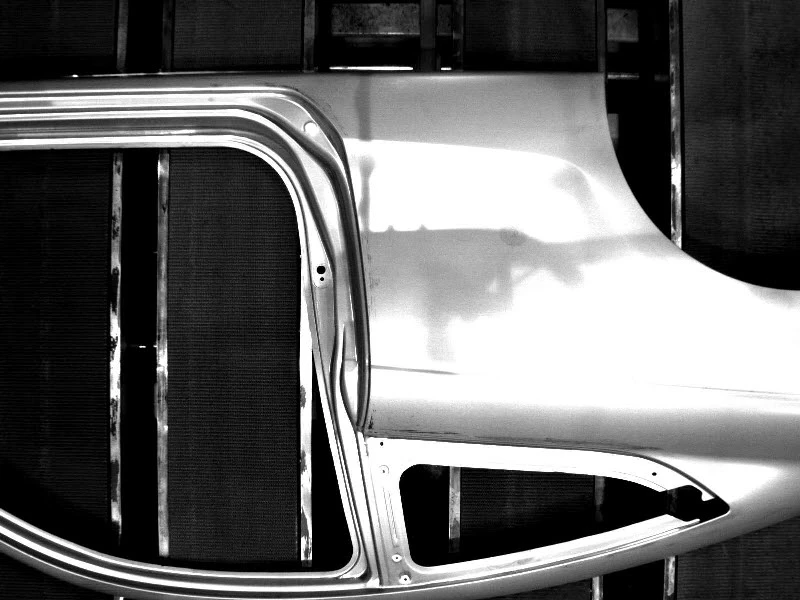
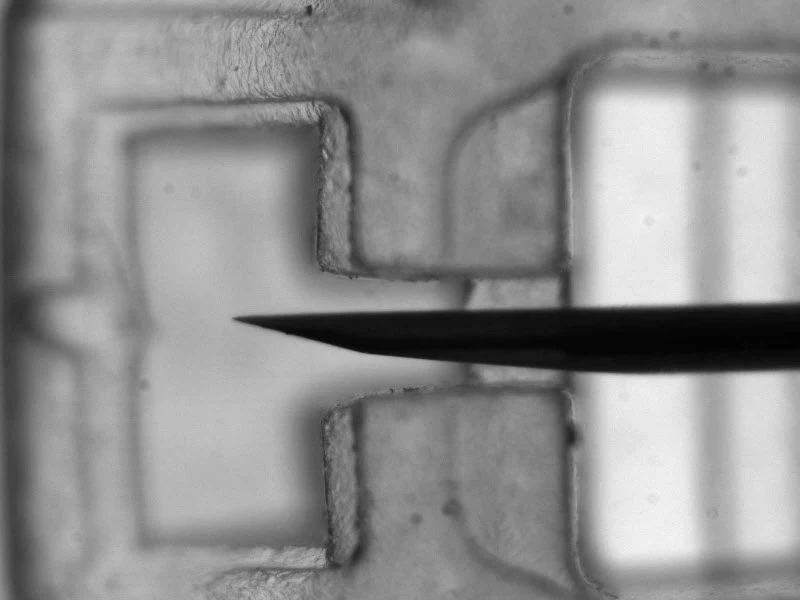
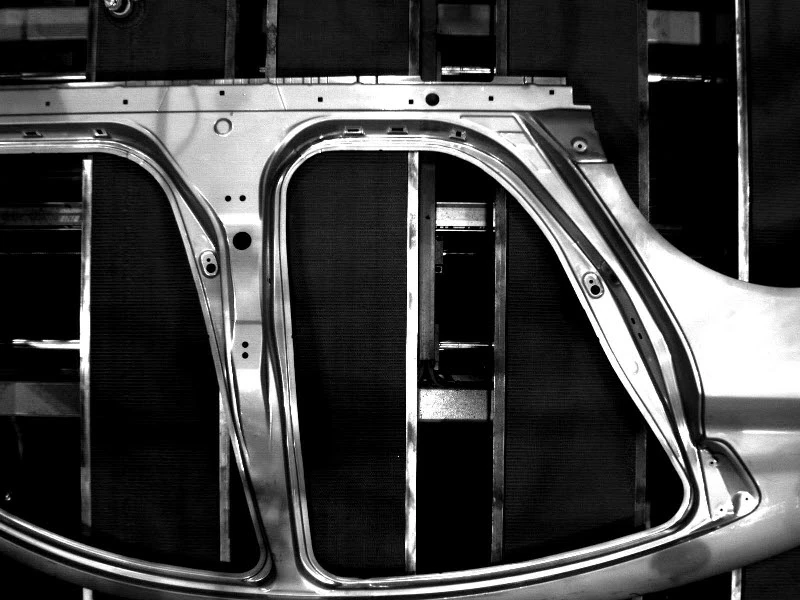
Flaw and defect detection is a core strength: surface defects, assembly verification, missing features, and print defects. We use predictable rule-based tools where practical and consider AI for difficult defect definitions or complex backgrounds.
MEASUREMENT
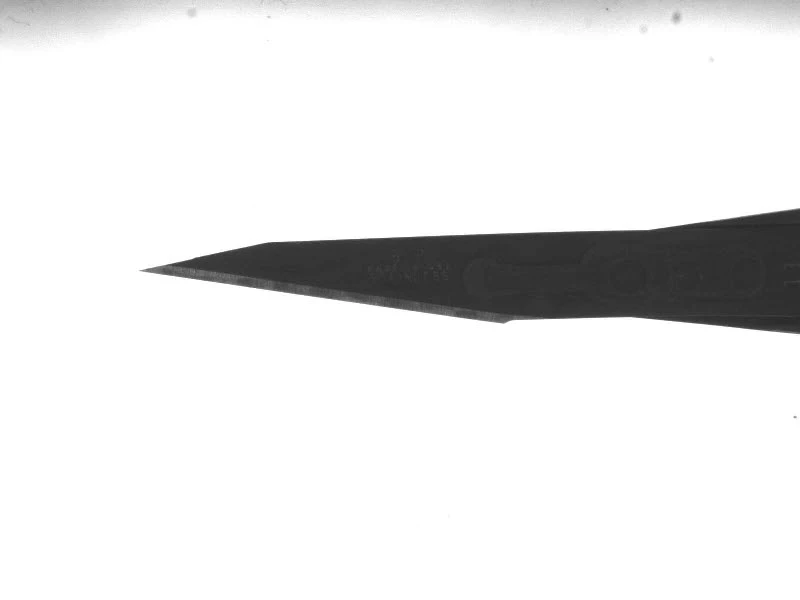
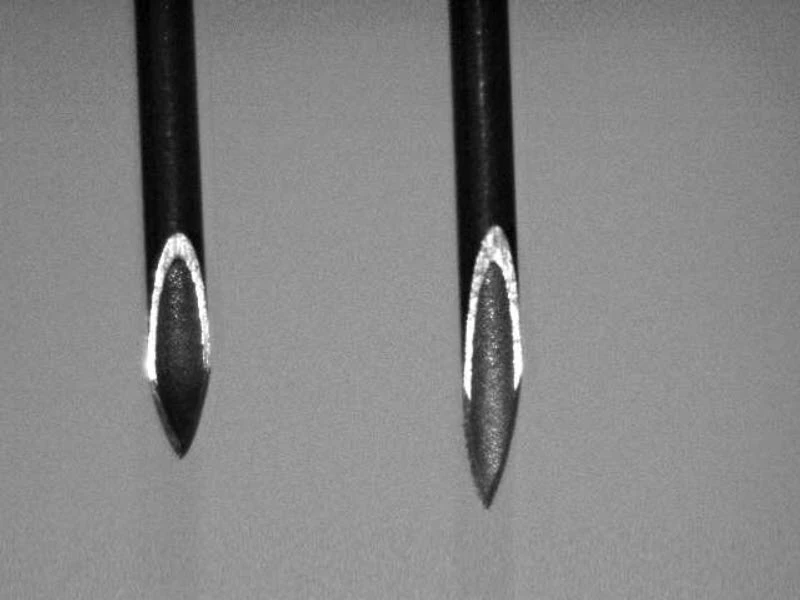
Precision 2D and 3D dimensional measurements with telecentric optics and custom illumination. Past 3D applications include transmission-plate defects, pipe-weld inspection, and steel-bar defects.
IDENTIFICATION
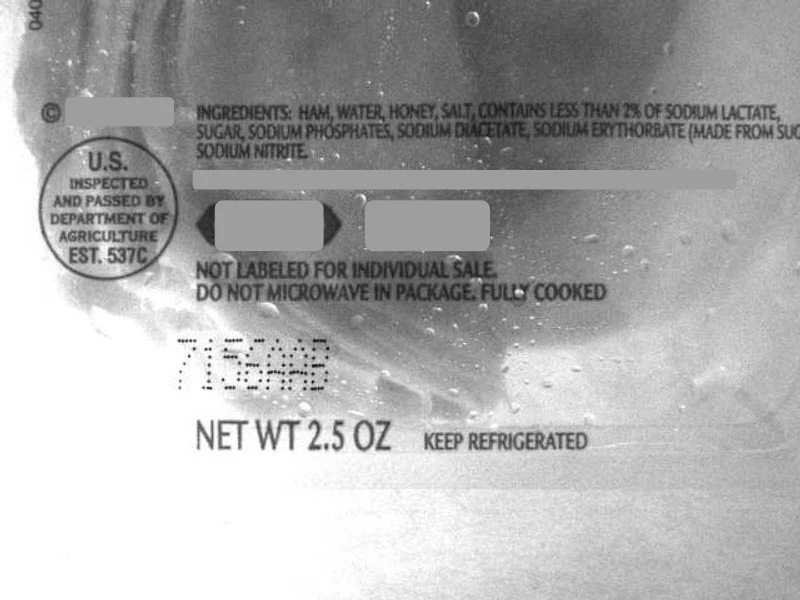
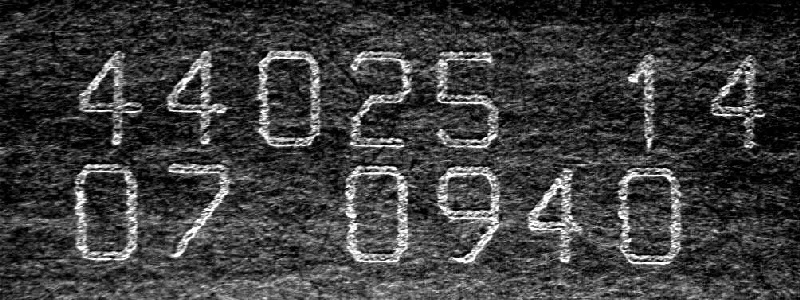
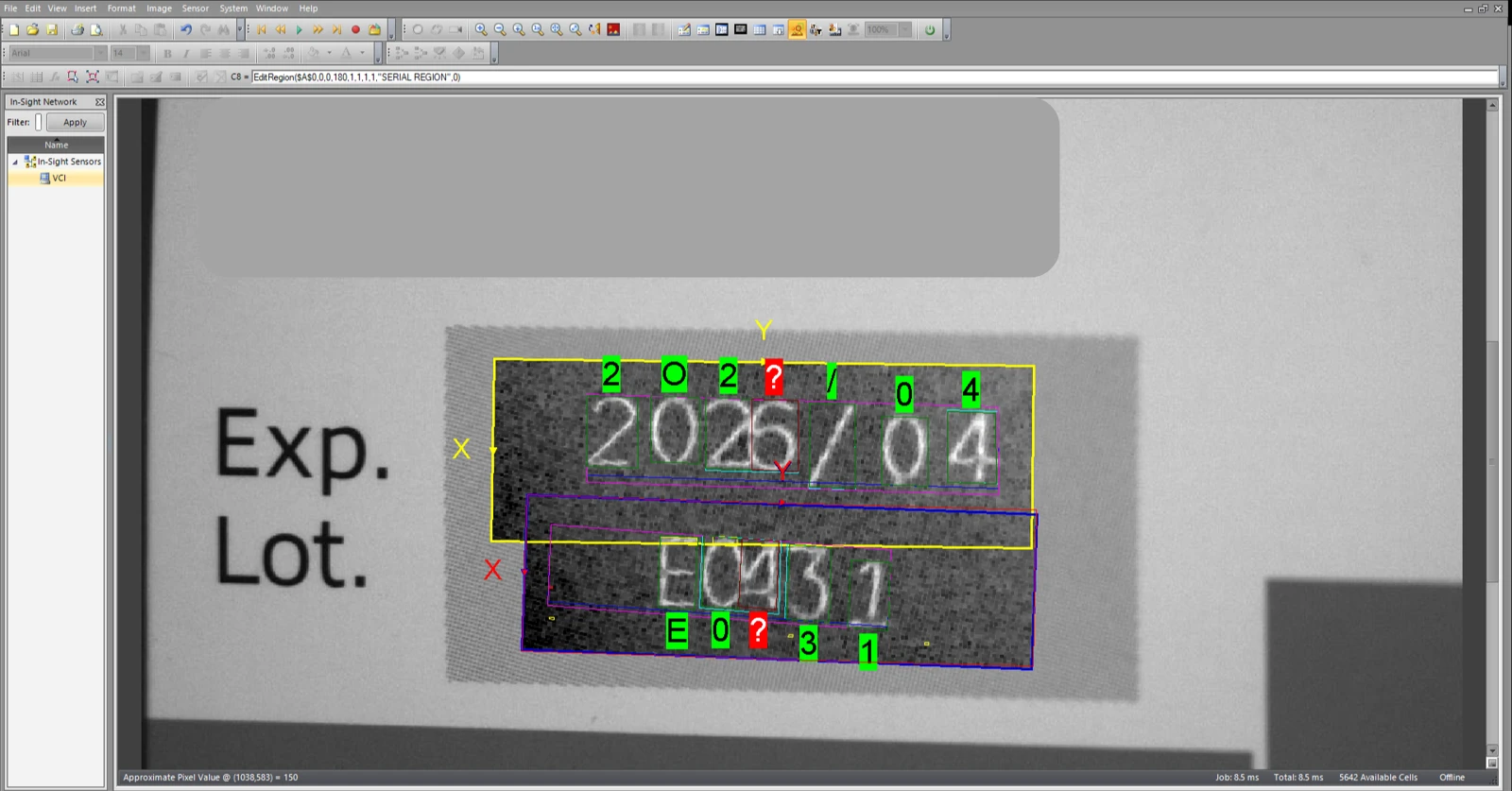
OCR, OCV, lot and date codes, label verification, and 1D/2D code reading, with attention to print quality and real production variation.
CONTINUOUS WEB INSPECTION
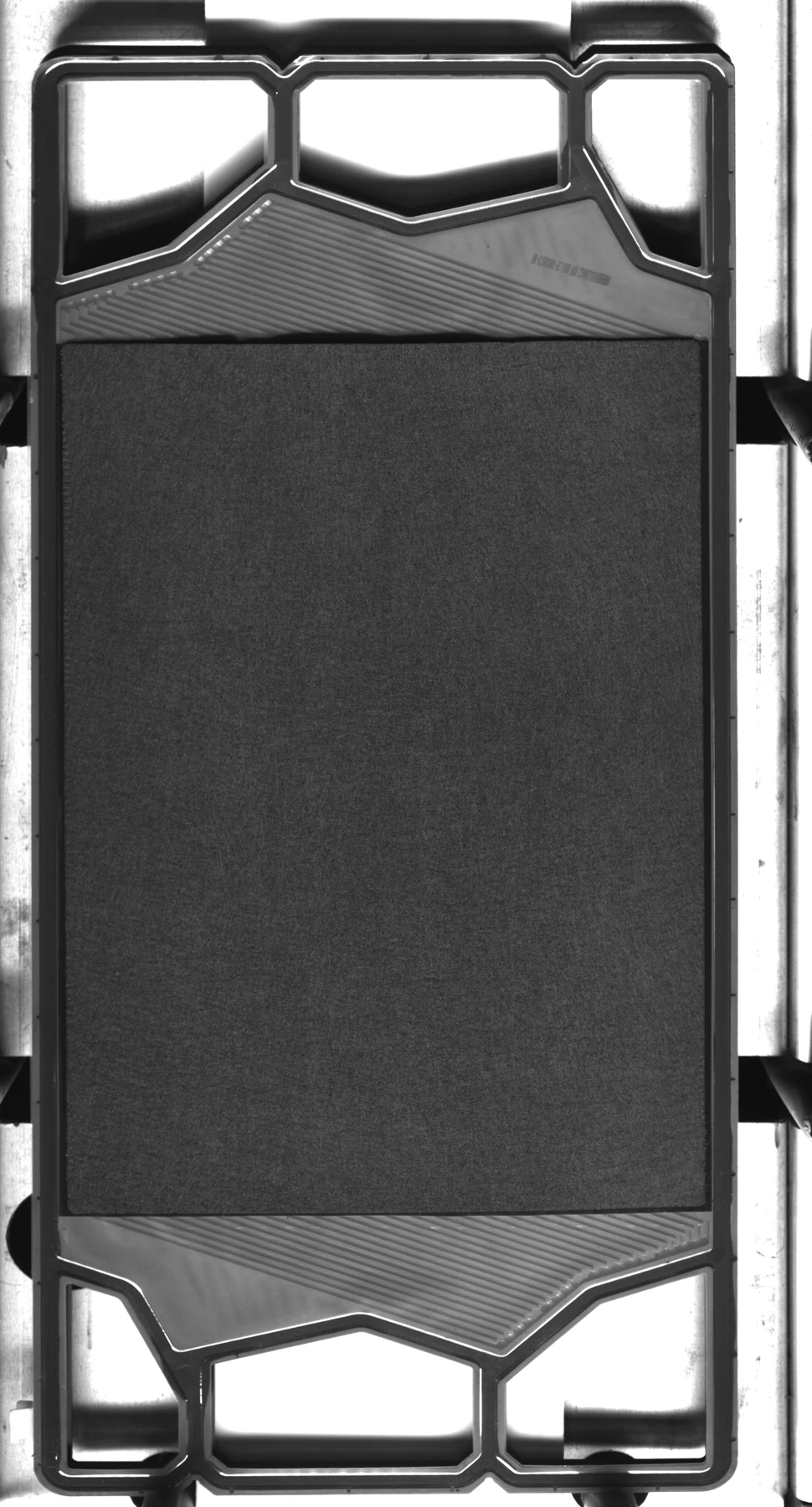
Continuous web inspection using line-scan cameras is a major part of our work. We have integrated systems for continuous web materials, double-sided transmission plates, large silicone polishing pads, and cylindrical parts. We design imaging, lighting, motion, and triggering together around the application.
Vision programming is one part of the application. We work with PLCs, HMIs, industrial networks, and motion controls, including Allen-Bradley and Keyence controls. Cognex VisionPro and In-Sight spreadsheet programming, Keyence vision software, and custom interfaces help connect inspection to machine operation.
SELECTED WORK
A selection of systems and inspection applications from our project work.
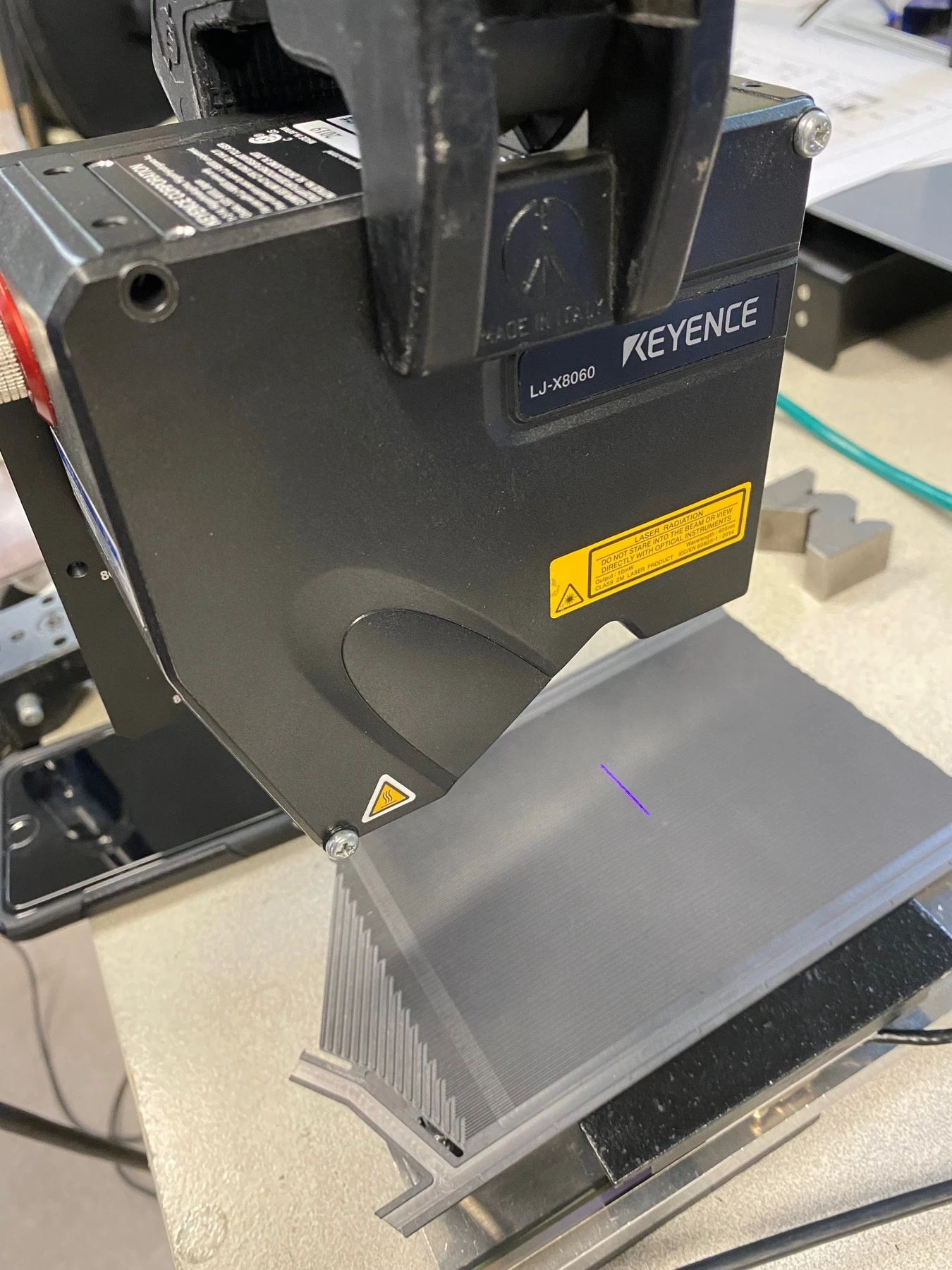
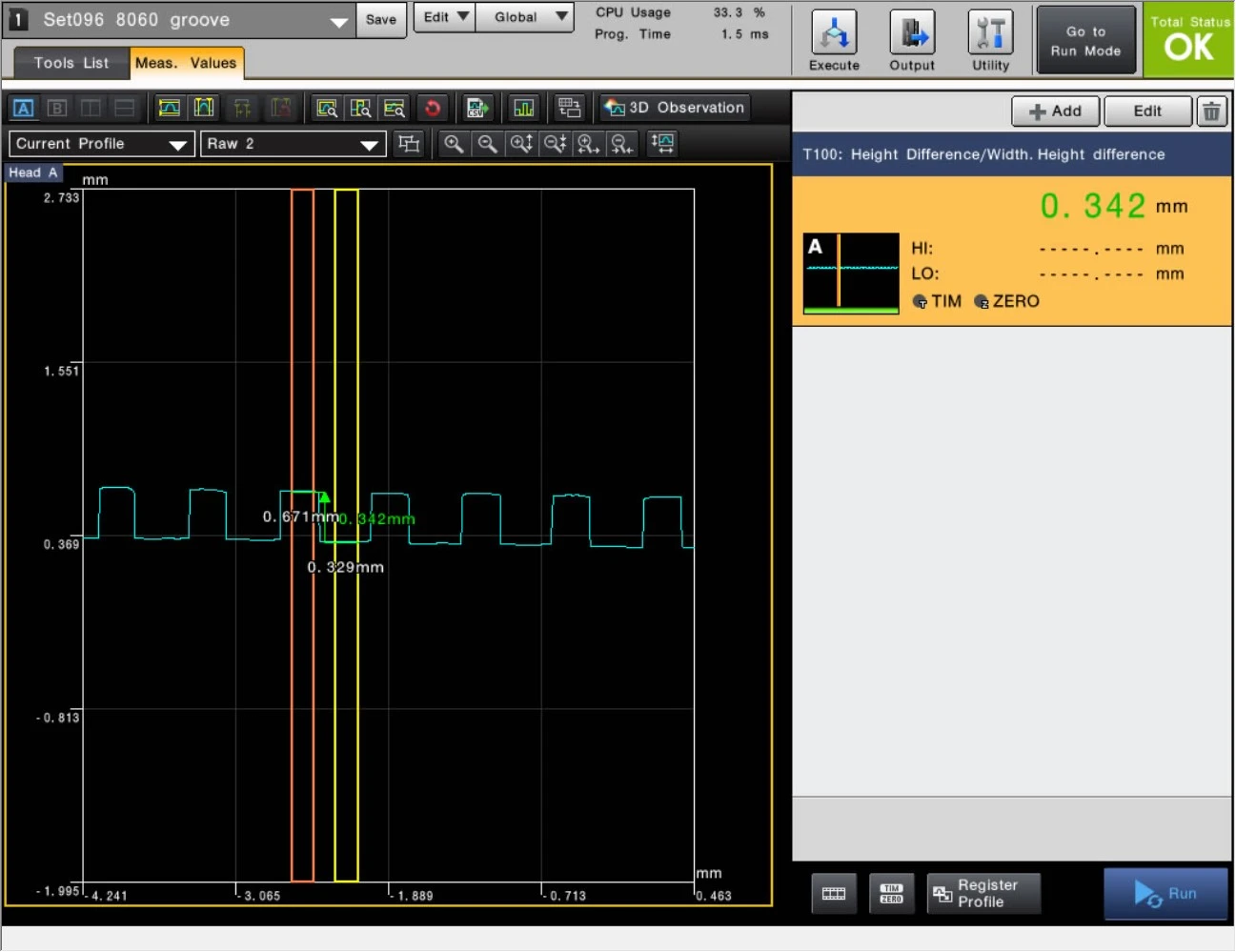
MULTI-TECHNOLOGY INSPECTION
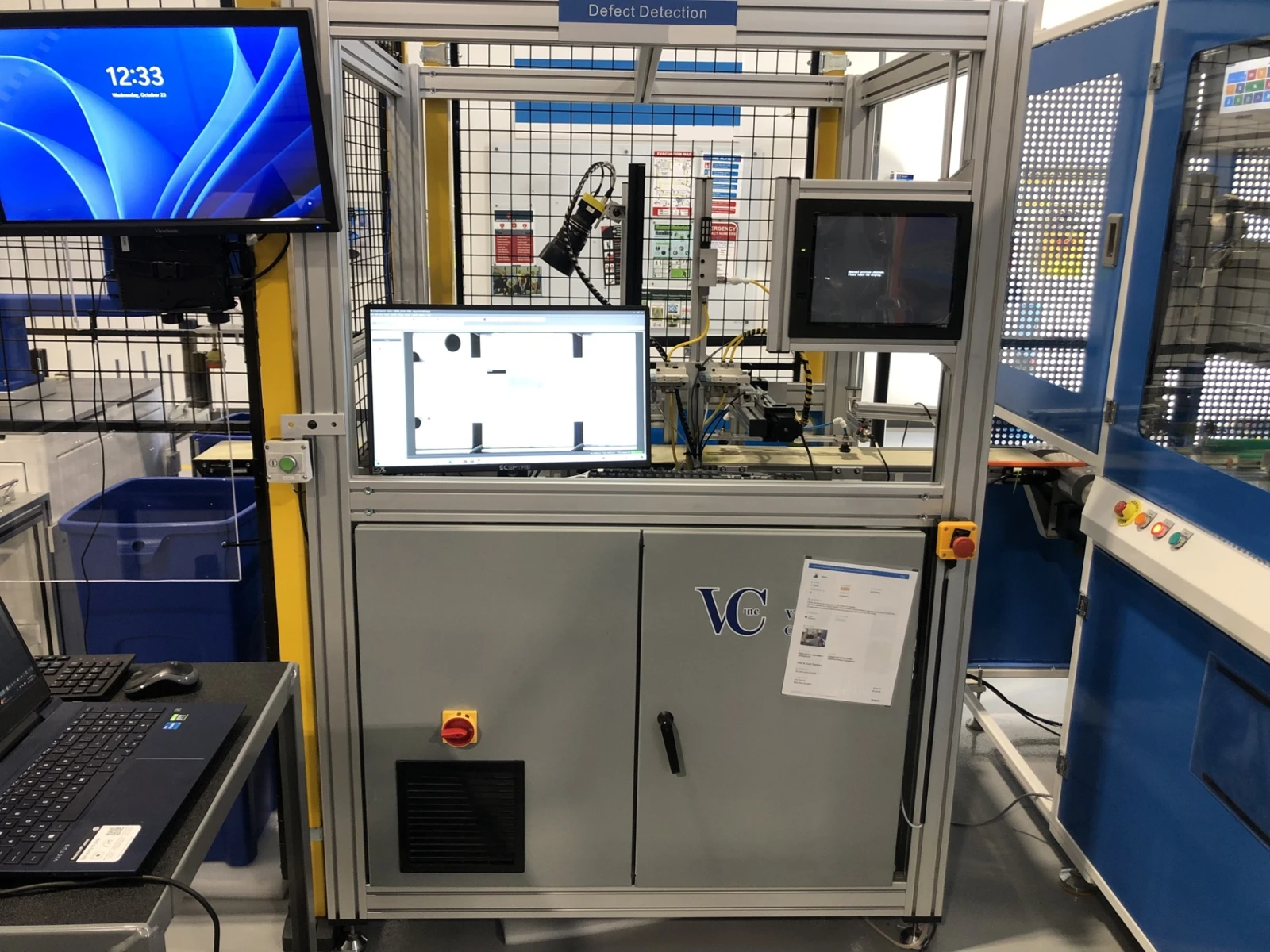
A multi-technology inspection station combining Keyence 3D profile scanning, Cognex line-scan cameras, and a Basler code reader.
Browse the machine, part image, profile scanner, inspection display, and operating video.
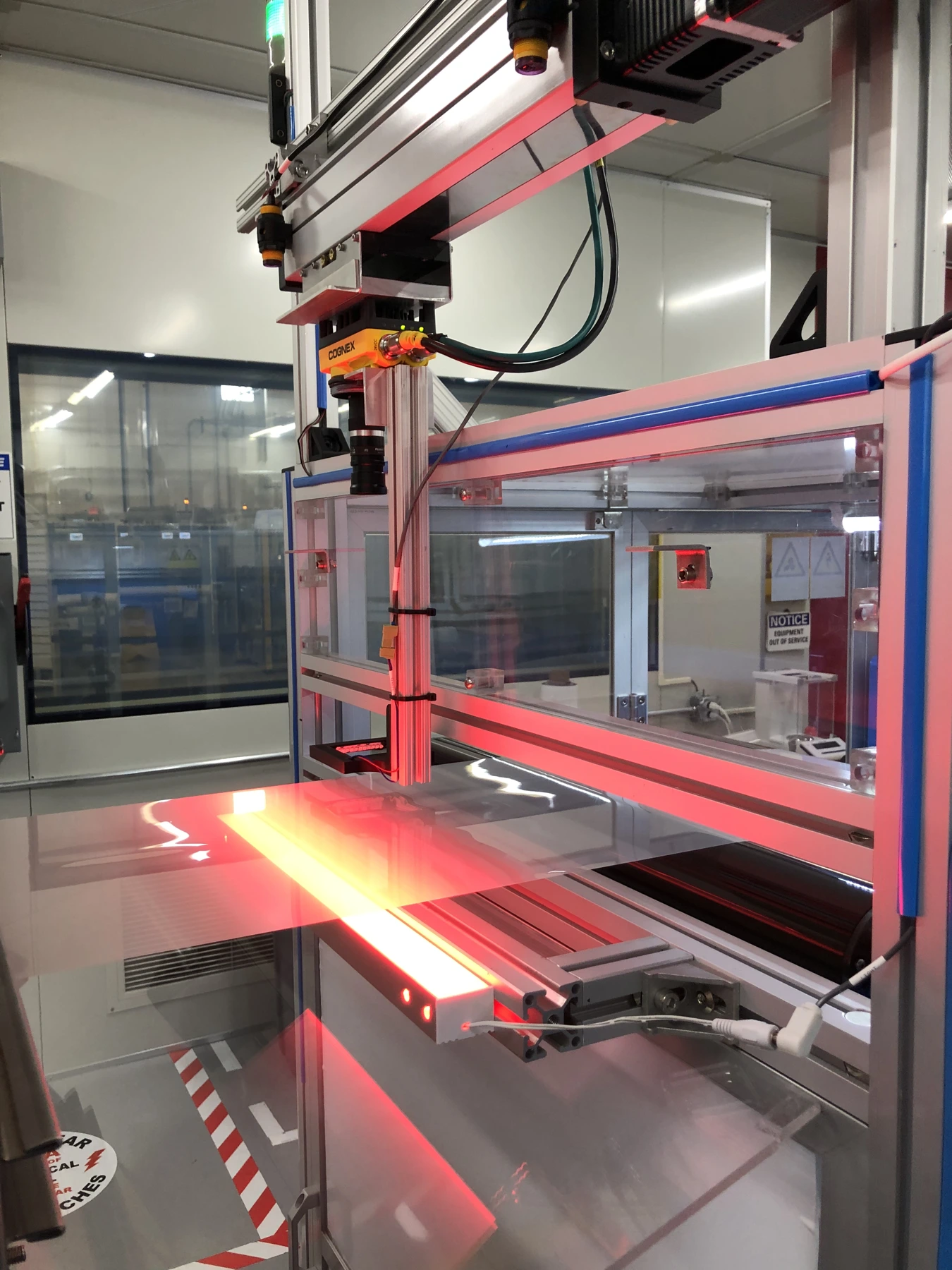
CONTINUOUS WEB INSPECTION
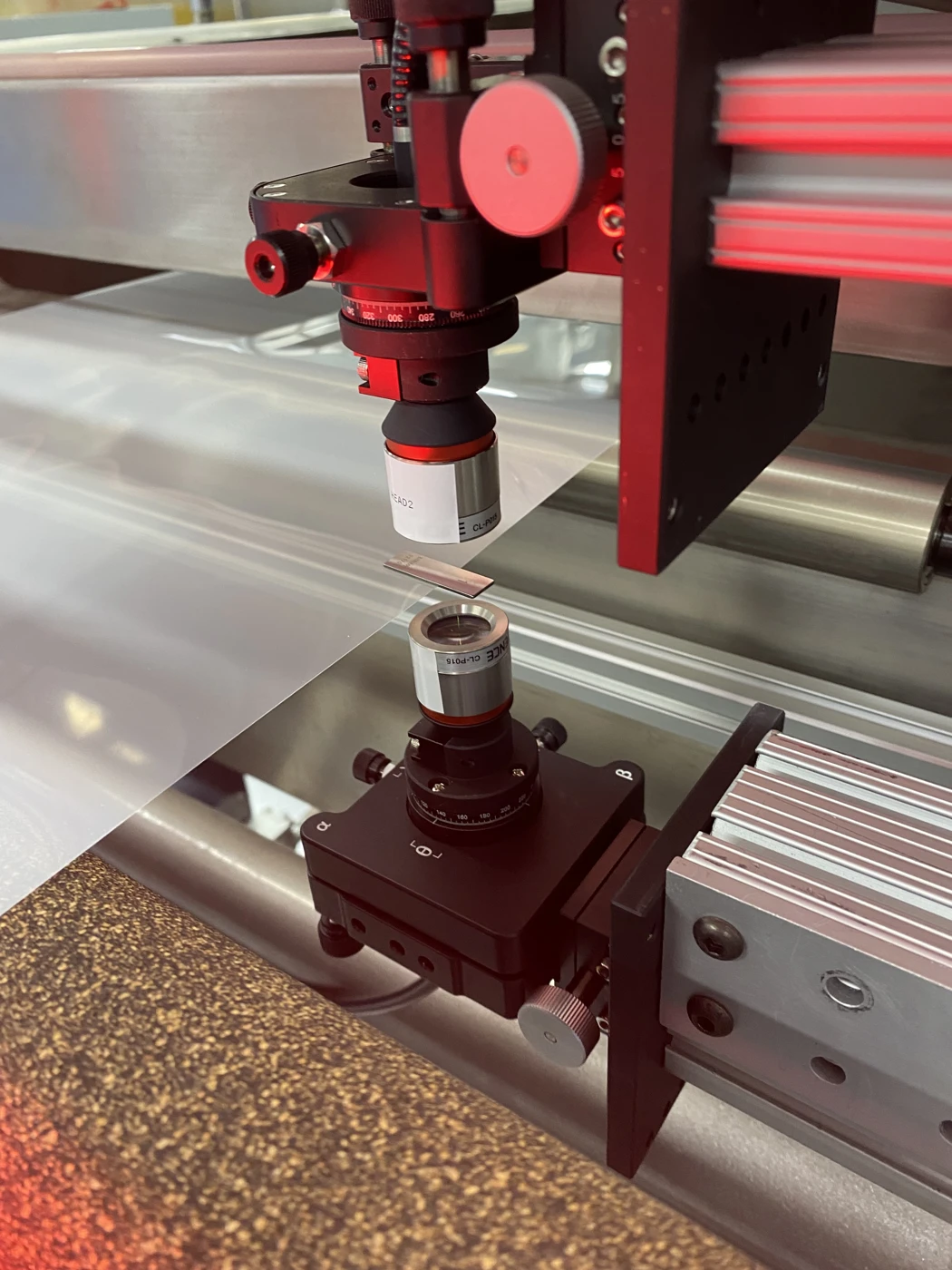
A line-scan camera mounted on a slide inspects the web for cracks. Imaging, illumination, and slide movement are coordinated to capture the material for inspection.
View the line-scan installation photo and operating video. Use the video controls to play the silent clip.
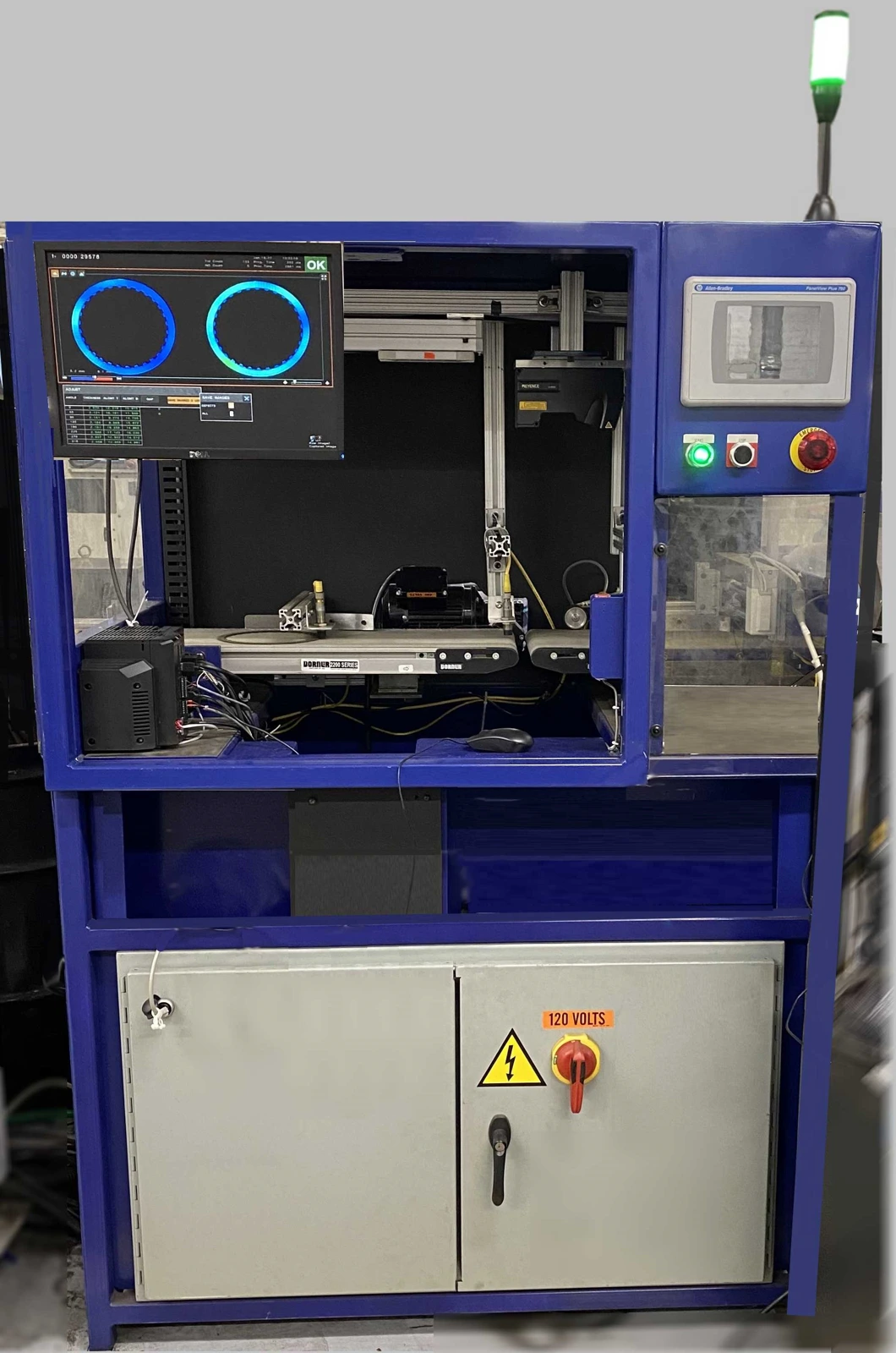
AUTOMOTIVE / 3D INSPECTION
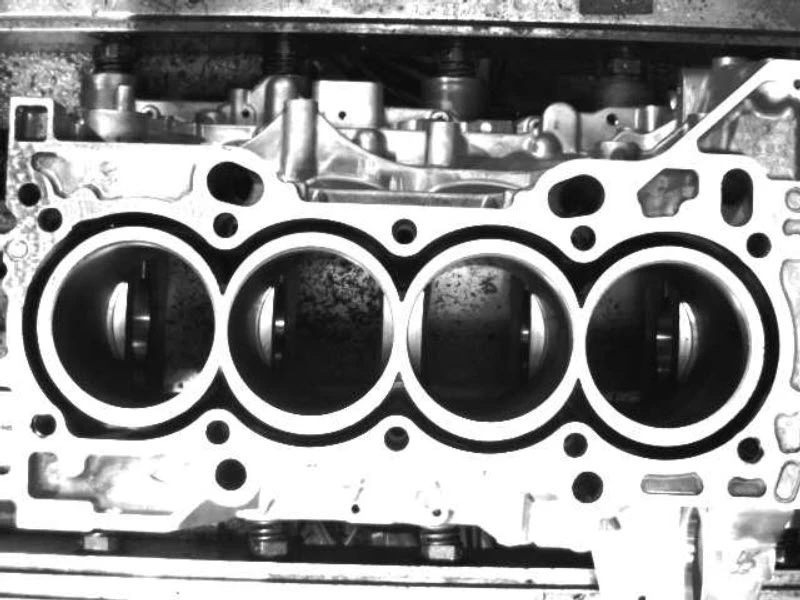
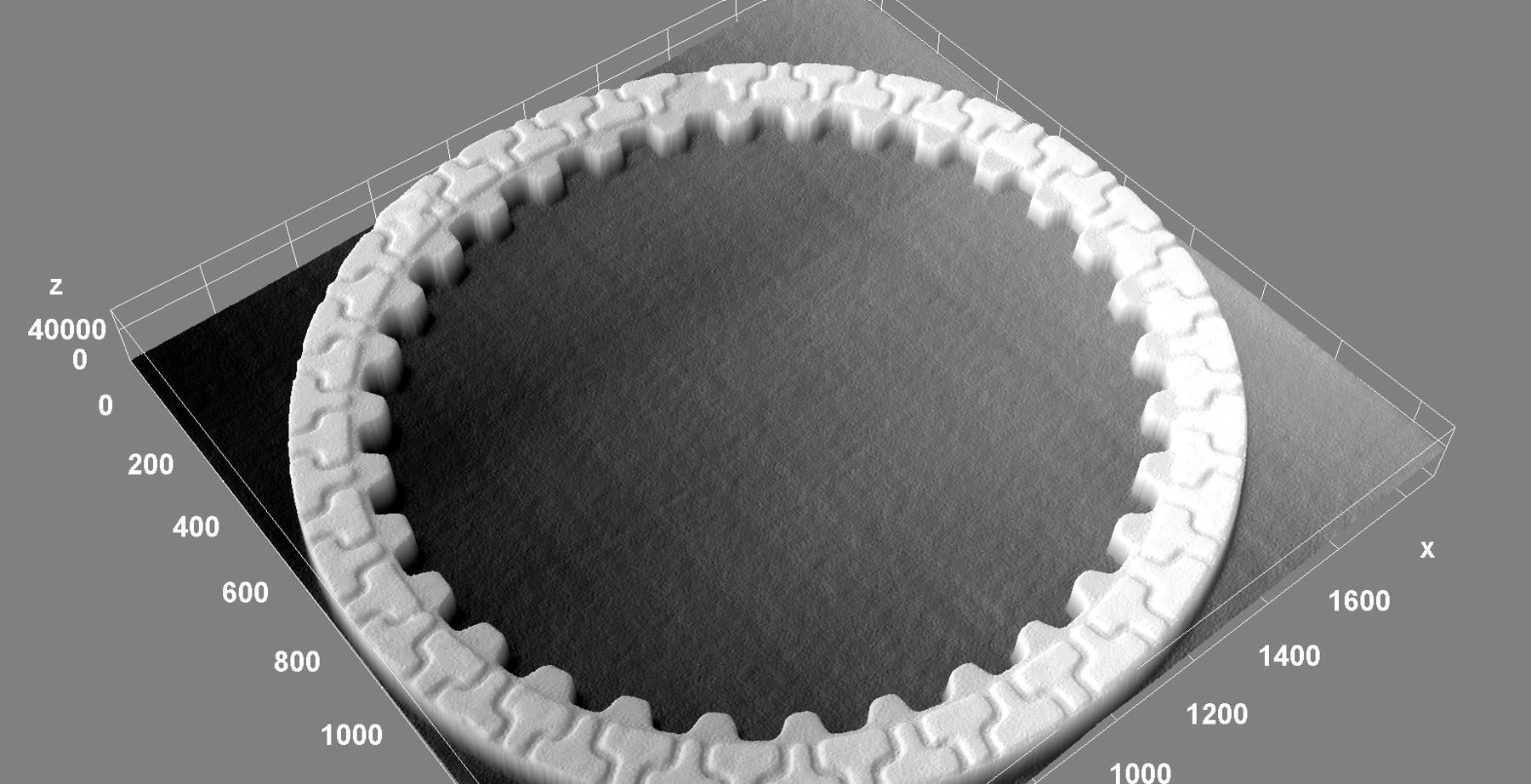
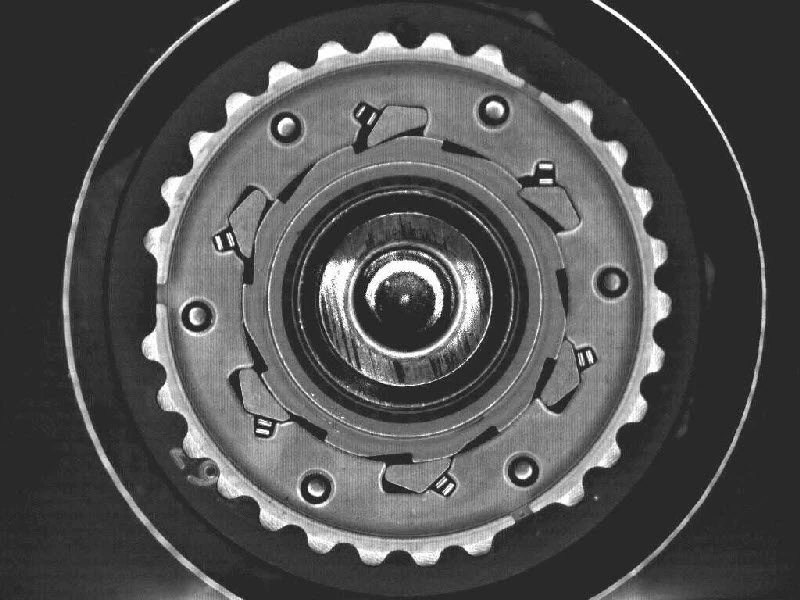
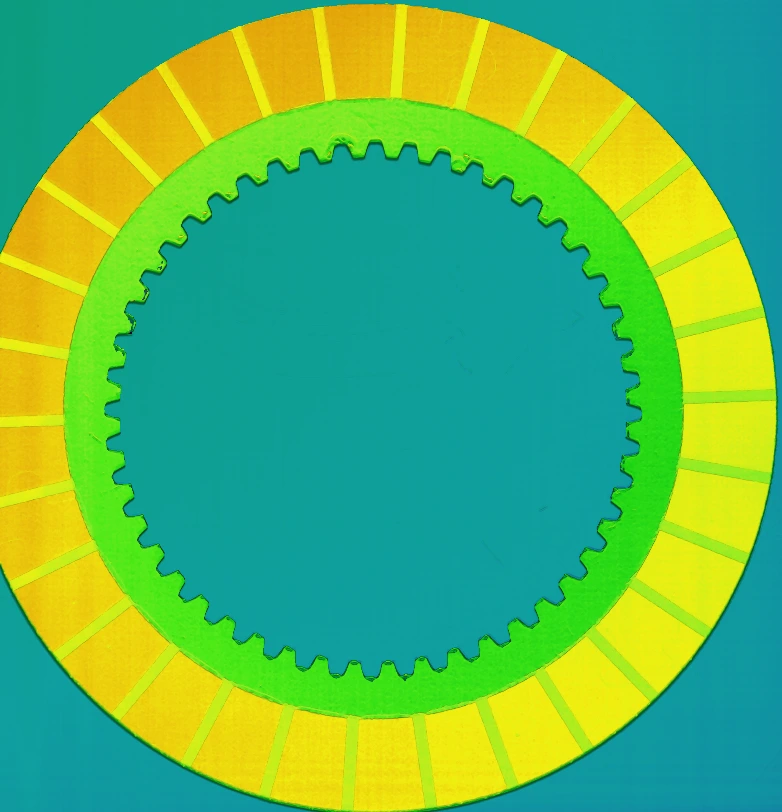
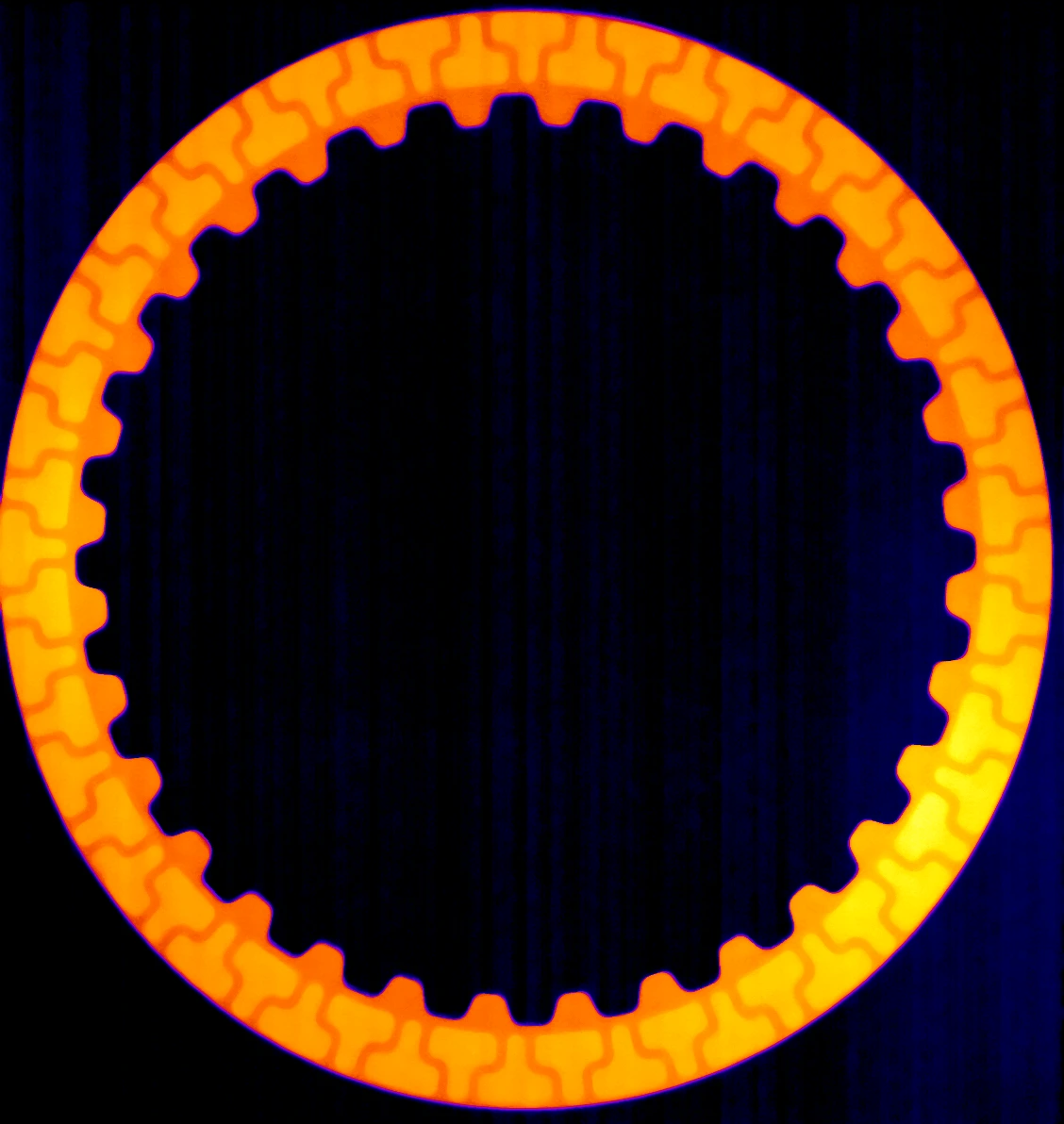
An automotive inspection machine built around the Keyence LJX 3D scanning head. The gallery shows the machine, full 3D inspection imagery, a color-mapped clutch disk, and its surface plot.
PRINT VERIFICATION
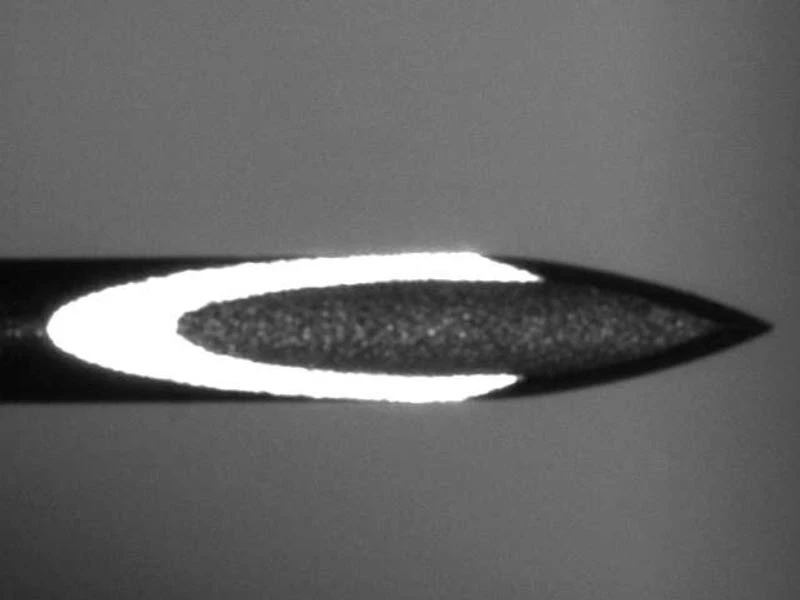
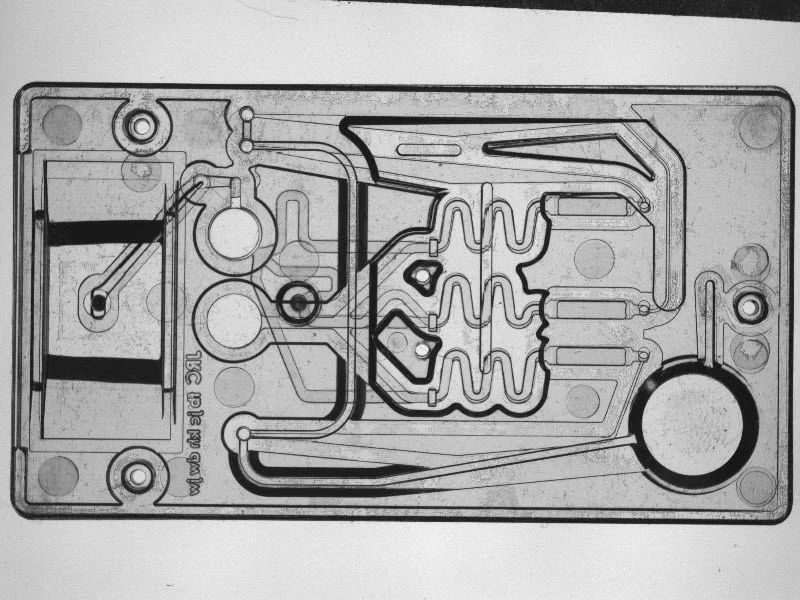
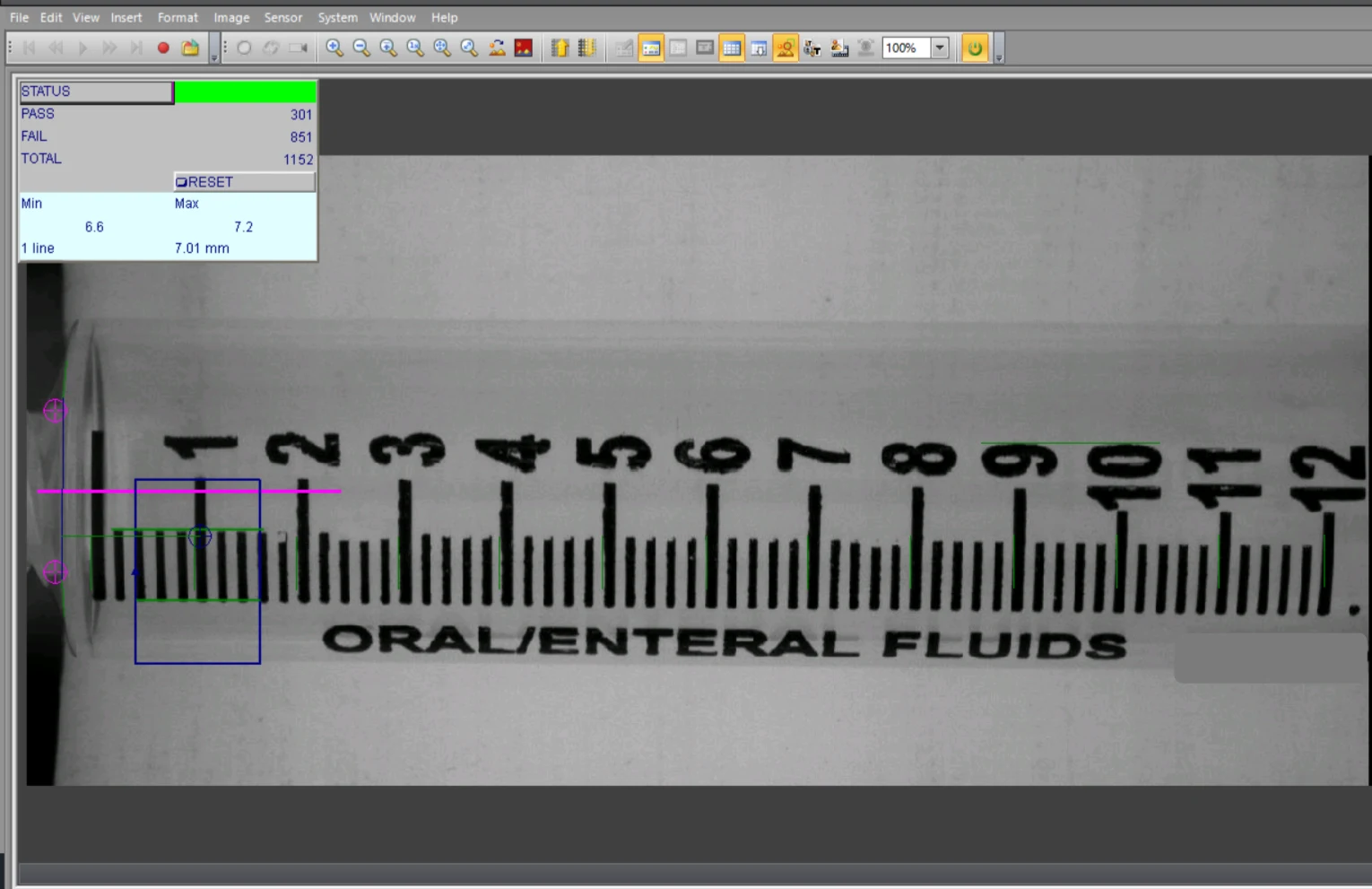
Machine vision applied to printed features on medical products.
FROM SAMPLE TO STARTUP
We generally complete feasibility work before quoting. Good and defective samples, inspection specifications, and production requirements give the project a sound starting point.
Define the problem, inspect the production environment, and agree on inspection specifications. Obtain good and defective samples, defect definitions, tolerances, and production requirements.
Test imaging, optics, lighting, and part presentation in our lab. Where needed, use an engineering study to assess false accepts, false rejects, and performance before committing to production hardware.
Develop the proposal around agreed specifications and a defined scope. After approval, source components, develop software, and test the planned solution before on-site installation.
Install, test against agreed requirements, train your team, and provide documentation and support for the delivered system.
A FOCUSED ENGINEERING PARTNER
Vision Controls has delivered hundreds of machine vision projects for manufacturers and machine builders since 2002. Our experience spans automotive, food, electronics, consumer goods, medical, and agriculture applications. Approximately half of our customers return for additional projects.
We are based in the Chicago area, with projects completed across the United States and internationally. You work directly with an experienced engineering team, from the initial discussion through installation and support.
Start a conversationBEFORE WE TALK
A camera is one component of the solution. We work through requirements, imaging, component selection, software, and the agreed controls integration, then help bring the application into production.
Start with a description of the problem, good and defective sample parts, defect definitions, inspection tolerances, line speed, and installation constraints. Call or email first so we can discuss the right next step for your application.
Our core platforms include Cognex and Keyence. We consider the existing equipment, inspection requirements, and feasibility results when recommending a platform. An existing hardware choice may need reassessment if it cannot meet the requirements.
No. We start with the simplest practical approach. 2D imaging and rule-based tools are often appropriate; 3D or AI is considered when the inspection needs it and testing supports that choice.
We generally complete feasibility work before quoting. We calculate the camera resolution needed for the inspection accuracy, then verify the lens, lighting, working distance, field of view, exposure, and part presentation with representative samples. For applications needing more extensive performance data, we can propose an engineering study.
Yes. We assess the inspection concept, optics, lighting, camera resolution, software, and integration to identify the cause. The recommendation may be an adjustment, an upgrade, or replacement of unsuitable hardware. The approach depends on the requirements, condition of the system, and a realistic project scope.
Training and documentation help your team operate and maintain the system. We generally provide access to the application source code. Remote support is available during office hours; other support arrangements can be discussed. Specific deliverables and responsibilities are defined by the project scope.
LET’S TALK ABOUT YOUR APPLICATION
A new project, an inspection challenge, or a system that is not performing as expected. Start with a call or email.
Glen Ellyn, Illinois
Serving the Chicago area and projects beyond.
To get started: tell us about the part, the defect or measurement, and your production requirements.